Melting of West Antarctic Ice Sheet Could Trigger Catastrophic Reshaping of Land Beneath
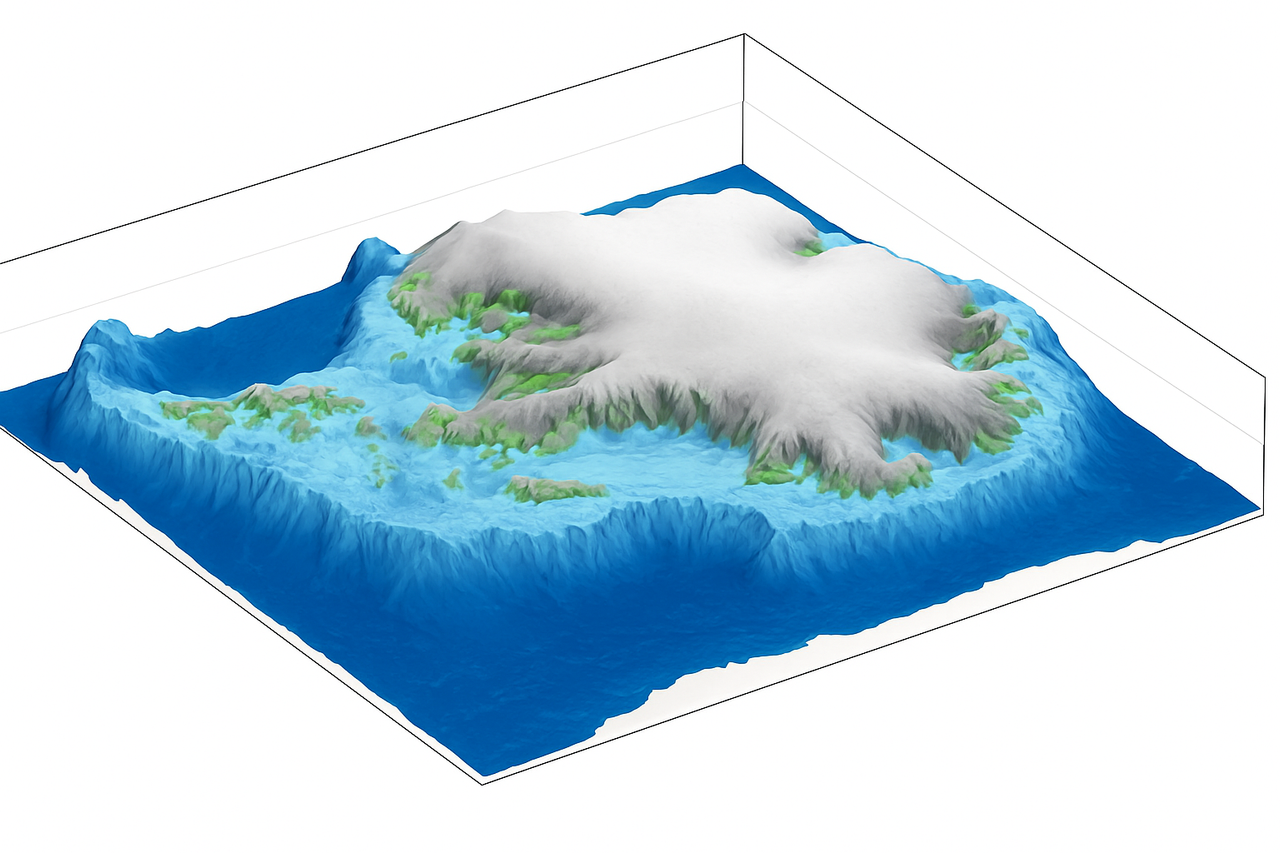
Scientists have warned that melting of the vast ice sheet of West Antarctica will not only raise sea levels but also radically change the structure of the land beneath it. This apprehension was expressed in a new research paper published on Saturday (January 03). The study, published in the journal Live Science, says the ground currently compressed under the weight of the ice could rise if the ice moves away, which could cause geological disasters.
Findings of the Study
Using satellite data and geological models, researchers have shown that the West Antarctic ice sheet is thinning rapidly. If this ice melts, the bedrock beneath it will rise rapidly. This process is called 'Glacial Isostatic Adjustment'. Scientists believe this could also cause slight changes in the Earth's rotation speed and gravitational field.
Fear of Sea Level Rise
If the ice of West Antarctica melts, the global sea level could rise by about 3 to 4 meters. This will threaten the existence of low-lying delta nations like Bangladesh. New research shows that rising soil could further accelerate the rate of ice melting, complicating the situation. It could create a dangerous cycle.
Geographical Transformation of Land
The map of Antarctica could change if the ice moves away. There is a possibility of new islands and straits being formed. Researchers say this change could be so extensive that it will be difficult to recognize Antarctica in future maps. It will also have a devastating impact on its biodiversity and ecosystem. Habitats of penguins and seals could be destroyed.
Warning from Scientists
The lead author of the study said, "We have very little time. If we cannot stop global warming by reducing carbon emissions, avoiding this disaster is impossible." He called upon world leaders to take effective steps immediately. This research is being seen as a warning signal for the future of our planet.